

Lesson 5: Cultural Heritage and diversity teaching as an educational tool
Living Heritage in Formal Education
Under the UNESCO-EU pilot project Engaging Youth for an Inclusive and Sustainable Europe, teachers and students from 10 UNESCO ASPnet schools across the European Union have developed and implemented innovative school projects integrating living heritage in school-based education. Through adapted lesson plans or extracurricular activities, intangible cultural heritage (ICH) was included in different school subjects.
Exploring the students’ living heritage through thematic exhibitions or field trips permitted them to reflect on ICH and gain respect and appreciation for cultural diversity.
Georgian Example
ICOMOS Georgia regional project “Regional Cooperation for Cultural Heritage Development” entailed a component on capacity building and awareness raising on heritage and its values. This in itself included two main activities:
-
Awareness raising seminars piloted in World Heritage Site of Mtskheta and targeting several community groups including teachers, school children, monument owners and local self -government officials, and
-
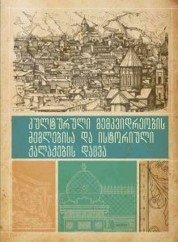
Translation and adaptation of UNESCO - ICCROM Teachers’ Manual “Protection of Cultural Heritage Sites and Historic Cities.”
The authors of the Georgian adaptation were involved in the process of revision of national standard for civic education which for the first time in Georgia included heritage teaching. The topics included relate to subjects such as tolerance and multiculturalism, intangible jeritage, the sense of community, protection of cultural and natural environment, etc.


Co-funded by the Erasmus+ 2021 Framework Programme of the European Union